

Understanding U.S. Sanctions: Impacts, Mechanisms, and Global Reactions
The concept of sanctions has become a focal point in international relations, with the United States implementing various measures to exert its influence globally. The US sanctions https://lhfministries.org/media/pgs/?us-sanctions-full-overview.html are often aimed at altering the behavior of governments or groups that threaten national security, violate human rights, or engage in terrorism. Understanding these sanctions is crucial for both policymakers and scholars in assessing their efficacy and the broader implications for international trade and diplomacy.
What Are U.S. Sanctions?
U.S. sanctions are restrictive measures put in place by the federal government to influence the behavior of foreign entities. They come in various forms, including economic sanctions, trade restrictions, travel bans, and arms embargoes. The intention behind these measures is typically to compel a change in behavior, punish a violation of international norms, or protect U.S. interests.
Types of U.S. Sanctions
U.S. sanctions can be broadly classified into several categories:
- Economic Sanctions: These restrict financial transactions and trade practices with target countries, particularly with key industries such as oil, technology, and finance.
- Diplomatic Sanctions: Measures may include the reduction or suspension of diplomatic relations, withdrawal of diplomats, or restrictions on formal engagement.
- Military Sanctions: Arms embargoes prevent nations from buying or selling weapons.
- Travel Bans: These can restrict travel for specific individuals or groups, preventing them from entering the U.S.
Mechanisms of Implementation
The implementation of sanctions typically involves multiple U.S. federal agencies, including the Department of the Treasury, the Department of State, and the Department of Commerce. The Office of Foreign Assets Control (OFAC) plays a pivotal role in enforcing economic sanctions through a framework that comprises regulations and restrictions on transactions with sanctioned entities.
Sanctions can be enacted in response to a variety of international events, ranging from human rights abuses and military aggression to nuclear proliferation. For example, U.S. sanctions against Iran primarily aim to curtail its nuclear program, while those against North Korea focus on halting its missile testing and nuclear aspirations.
The Impact of Sanctions
The impact of U.S. sanctions is a subject of considerable debate. Advocates argue that sanctions can effectively alter a country’s course of action without resorting to military conflict. For instance, the sanctions imposed on South Africa during the apartheid era are often cited as a catalyst for change, contributing to the end of racial segregation policies.
However, critics highlight that sanctions can also lead to significant humanitarian suffering among civilian populations, as essential goods and services are often limited. Case studies have shown that while sanctions may pressure governments, they often fail to achieve the desired political outcomes. A prime example is the sanctions against Cuba, which, despite several decades of restrictions, have not succeeded in changing the political landscape of the island nation.
Global Reactions
The global response to U.S. sanctions varies considerably. Many nations express support for the sanctions, aligning themselves with U.S. foreign policy goals. However, several countries condemn these measures, viewing them as unilateral and an infringement on national sovereignty. This has led to a growing pushback, with some nations actively seeking to bypass U.S. sanctions through alternative financial systems and trade agreements.
For instance, Russia and China have increasingly engaged in actions that counter U.S. sanctions, including enhancing their bilateral trade relations and using national currencies for transactions to move away from the U.S. dollar.
Evaluating Effectiveness
To assess the effectiveness of U.S. sanctions, it is essential to consider both immediate and long-term impacts. Metrics such as changes in political behavior, economic indicators, and social conditions in the targeted countries can provide insight into the success or failure of these measures.
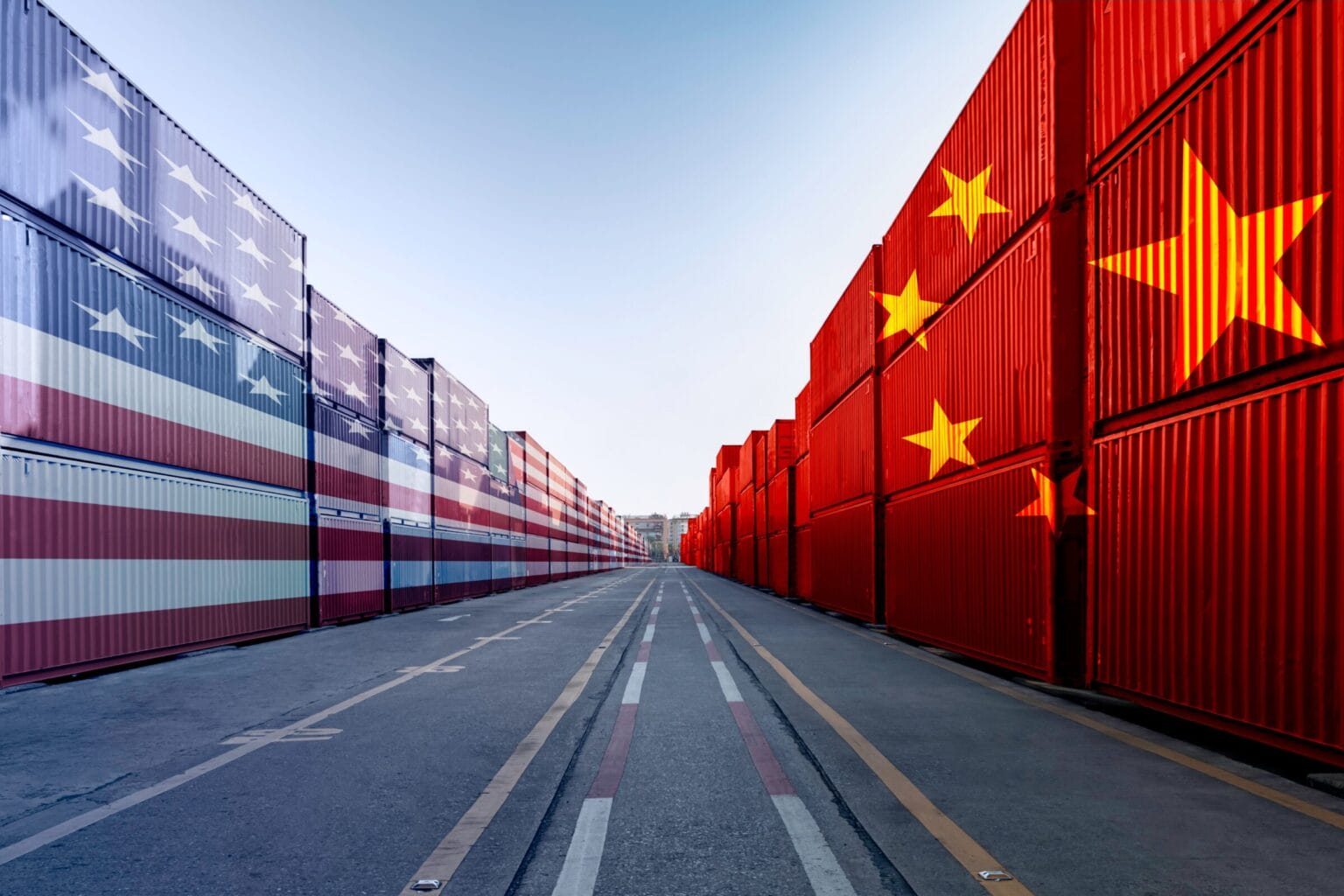
Moreover, the strategic framing of sanctions is crucial. Clear objectives, constant reassessment of goals, and diplomatic dialogue can enhance the chances of achieving desired outcomes while minimizing humanitarian consequences. Comprehensive strategies that include sanctions as part of a broader approach may yield better results than determined sanctions alone.
The Future of Sanctions
As the dynamics of global politics evolve, the use and effectiveness of U.S. sanctions will continue to be a critical area of examination. With the rise of multipolarity in international relations, U.S. sanctions may face increased challenges from countries unwilling to conform to American-led policies. Emerging technologies, evolving economic alliances, and the adaptability of targeted entities further complicate the landscape.
Future sanctions may need to become more strategic, targeted, and tailored to minimize collateral damage while maximizing diplomatic leverage. The ongoing discussions in international forums about the ethical implications of sanctions also indicate a potential shift in how these measures are perceived globally.

Conclusion
U.S. sanctions remain one of the most potent tools in foreign policy, but their complexity requires nuanced understanding and strategic implementation. As the world continues to grapple with challenges such as terrorism, human rights abuses, and nuclear proliferation, the role of sanctions will undoubtedly remain pivotal. However, fostering dialogue and employing a multifaceted approach may enhance their effectiveness while minimizing negative humanitarian impacts in the affected regions.