
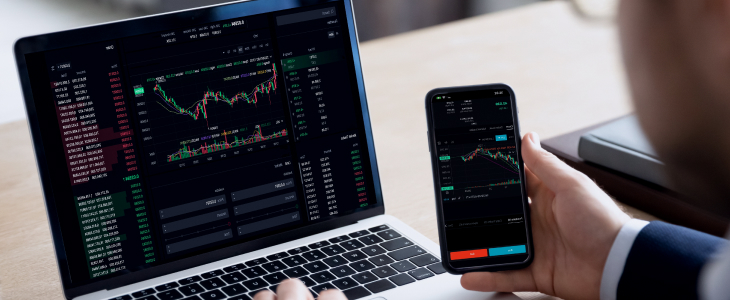
Forex Trading Basics: A Beginner’s Guide
Forex trading, or foreign exchange trading, is one of the most exciting and potentially lucrative forms of trading in the financial markets. As the largest financial market in the world, it offers numerous opportunities for aspiring traders. In this guide, we will explore the basics of forex trading, focusing on essential concepts, strategies, and tips that every beginner should know. For more information about brokers, you might find beneficial resources such as forex trading basics beginners guide Forex Brokers in Jordan.
What is Forex Trading?
Forex trading involves the exchange of currencies. Traders buy one currency while simultaneously selling another, and the trade is based on the belief that the value of one currency will increase relative to another. The forex market is open 24 hours a day, five days a week, making it accessible to traders worldwide.
How the Forex Market Works
The forex market operates through a network of banks, financial institutions, corporations, and individual traders. Unlike stock markets, which have centralized exchanges, the forex market is decentralized, meaning transactions occur over-the-counter (OTC). This market is divided into several categories:
- Major Currency Pairs: These pairs include the most traded currencies, such as EUR/USD and GBP/USD.
- Minor Currency Pairs: These are less traded pairs but still have significant liquidity, such as GBP/JPY and AUD/CAD.
- Exotic Currency Pairs: These pairs consist of one major currency and one currency from a developing economy, such as USD/THB.
Understanding Currency Pairs
In forex trading, currencies are quoted in pairs. The first currency in the pair is called the base currency, while the second is referred to as the quote currency. For instance, in the currency pair EUR/USD, the euro is the base currency, and the US dollar is the quote currency. If the pair is quoted at 1.2000, it means that 1 euro can be exchanged for 1.20 US dollars.
Key Concepts in Forex Trading
To become a successful forex trader, it’s essential to understand several key concepts:
- Pips: A pip is the smallest price movement in a currency pair, usually the fourth decimal place in most pairs.
- Leverage: Forex trading often involves leverage, allowing traders to control a larger position with a smaller amount of capital. However, this increases both potential profits and potential losses.
- Margin: This refers to the amount of capital required to open a leveraged position. Different brokers have different margin requirements, so understanding them is crucial.
- Spread: The spread is the difference between the bid and ask price of a currency pair. This is how brokers make their money, and the spread can vary based on market conditions.
Forex Trading Strategies for Beginners
Developing a trading strategy is crucial for success in the forex market. Here are a few strategies that beginners might consider:

1. Trend Following
Trend following is a simple yet effective strategy that involves identifying and trading in the direction of the current market trend. Traders look for signs of trend reversals and use technical indicators to confirm their decisions.
2. Scalping
Scalping is a short-term trading strategy that focuses on making small profits from numerous trades throughout the day. This requires quick decision-making and a solid understanding of market movements.
3. Swing Trading
Swing trading aims to capture short to medium-term market moves. Traders typically hold positions for several days or weeks, looking to benefit from fluctuations in currency prices.
4. Fundamental Analysis
This method involves evaluating economic indicators, news releases, and other factors that can influence currency values. Understanding economic fundamentals can help traders make more informed decisions.
Choosing a Forex Broker
Choosing the right forex broker is one of the most important decisions a trader can make. Factors to consider include:
- Regulation: Ensure the broker is regulated by a recognized authority to protect your funds.
- Trading Platform: Select a broker that offers a user-friendly trading platform with necessary tools and resources.
- Spreads and Commissions: Compare costs between brokers to find the most competitive spreads and commissions.
- Customer Service: Good customer service is vital for resolving issues quickly and efficiently.
Risk Management in Forex Trading
Forex trading can be highly speculative, and managing risk is critical to long-term success. Traders often use several risk management techniques:
- Stop-Loss Orders: A stop-loss order automatically closes a position when it reaches a certain level, limiting losses.
- Position Sizing: Determine the size of each trade based on your total capital and risk tolerance.
- Diversification: Avoid putting all your capital into one trade by diversifying your positions across different currency pairs.
Conclusion
Forex trading offers incredible opportunities for individuals looking to enter the financial markets. By understanding the basics and developing a sound trading strategy, beginners can improve their chances of success. Remember to continuously educate yourself, monitor market trends, and practice risk management to navigate the forex market effectively. With patience, practice, and discipline, you can become a successful forex trader.